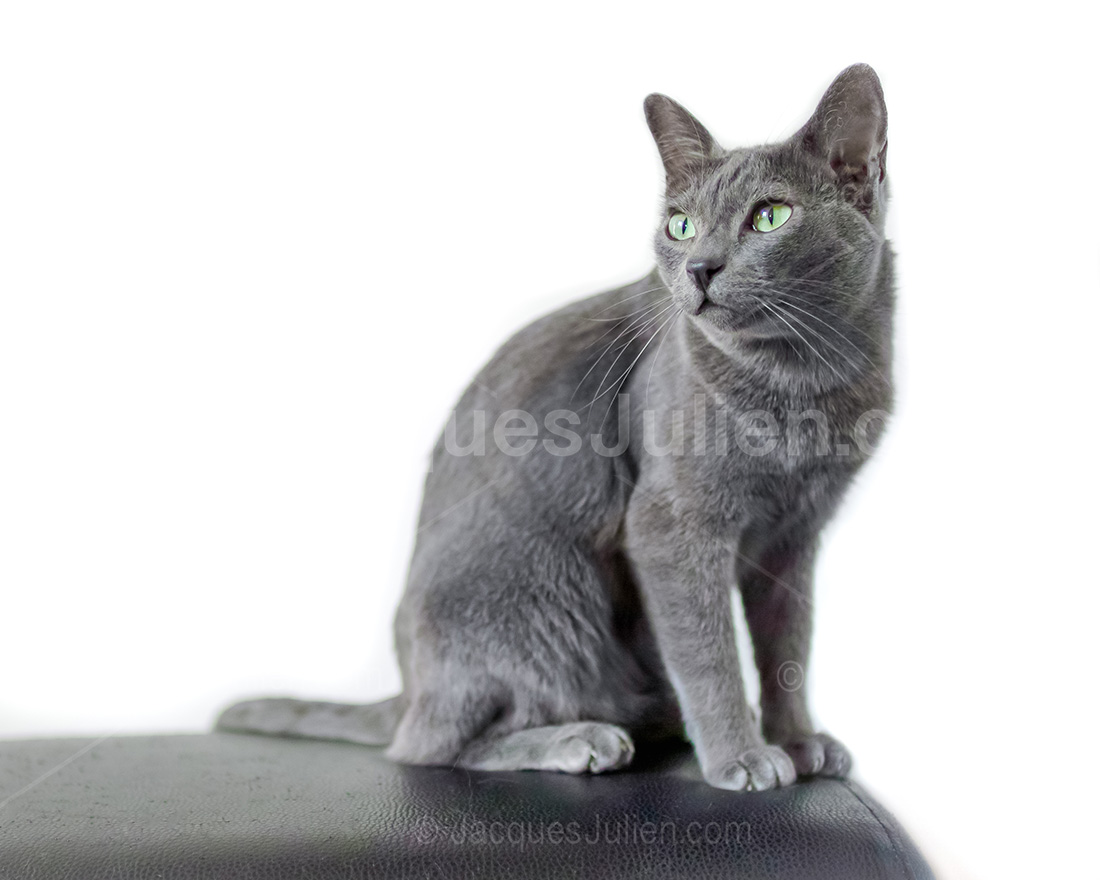
Gatti di Roma, The cat sanctuary in Rome

The history of the Gatti di Roma is deeply connected to the ancient heritage and historic ruins scattered across the city, particularly at Largo di Torre Argentina. This iconic site, now home to a colony of cats, is a place where the ancient and the contemporary come together in a unique way.

The Discovery of Ancient Temples

The story of this feline colony dates back to the late 1920s, when the demolition of old medieval houses on Via San Nicola de’ Cesarini revealed unexpected remains. In 1926, workers demolishing the buildings to modernize the road network, according to the 1909 urban plan, certainly didn’t expect to uncover traces of Republican Rome. These archaeological discoveries sparked an intense debate between landowners and archaeologists, the latter wanting to preserve and explore the site. It was only in 1928 that the dispute was settled in favor of the Ministry of Fine Arts, allowing excavations to continue.

The archaeologists of the time, following criteria different from today’s, removed all medieval and imperial structures, considered to be of “lesser importance,” to reveal four temples dating from the 4th to the 1st century BCE. These excavations, conducted at a rapid pace, culminated in the inauguration of the Foro Argentina on April 21, 1929, coinciding with the 2,682nd anniversary of the founding of Rome.

The Ruins and Cats: An Ancient Bond

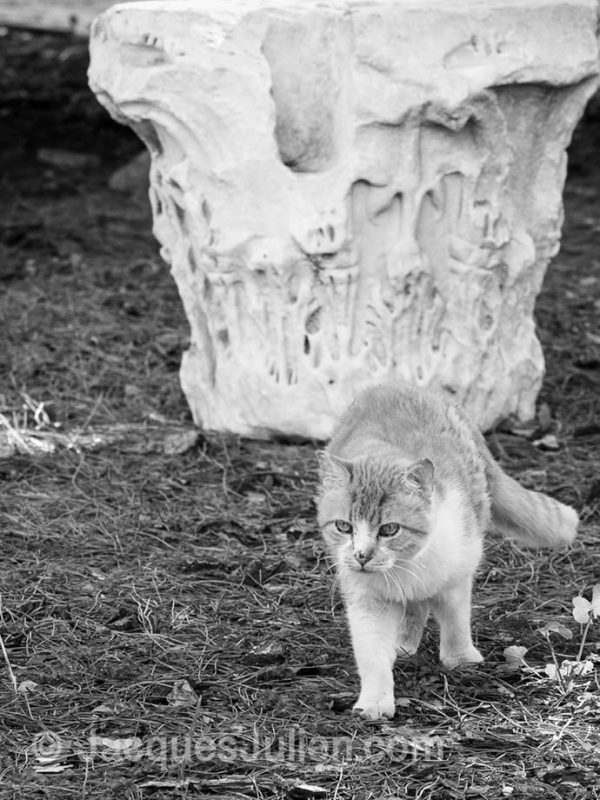
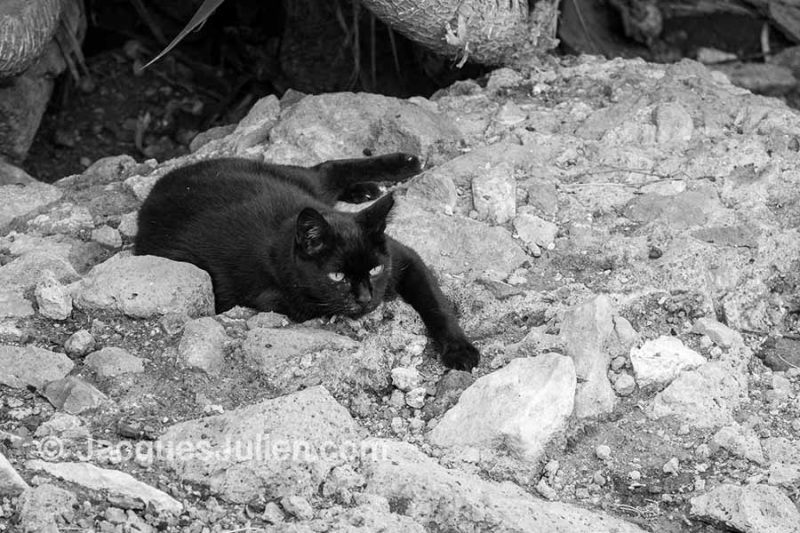
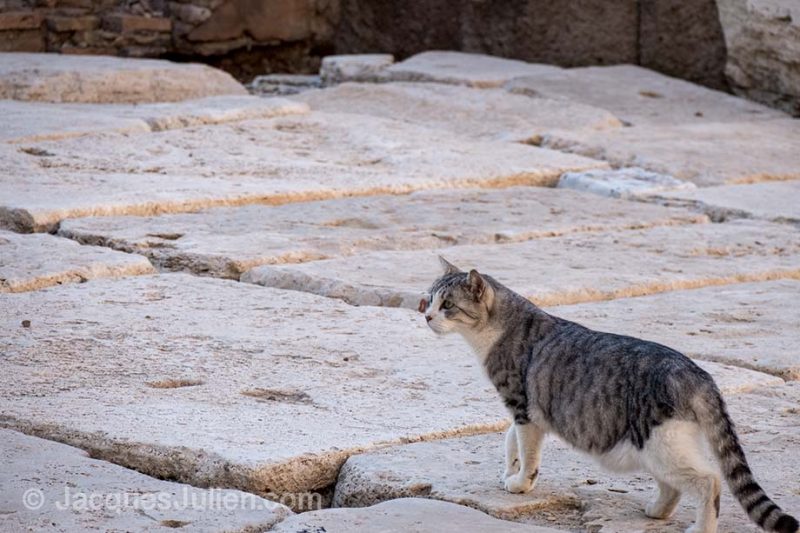
Largo di Torre Argentina became famous not only for its ruins but also for its colony of stray cats, who have made their home there. These cats find refuge in the remains of four ancient temples, designated by the letters A, B, C, and D, whose dedications have been progressively identified through archaeological research. Temple D, for instance, is dedicated to the Lares Permarini, and Temple A to the goddess Giuturna, while Temple C was devoted to Feronia, an ancient Roman goddess.

But it’s Temple B that has a particular connection with the cats. This temple is dedicated to Aedes Fortunae Huiusce Diei, the Fortune of each day. This goddess symbolized daily luck and protection, a link many associate with the cats that roam freely in the city, always protected and fed. Today, a statue of the goddess, with her serene face, can be admired at the Centrale Montemartini Museum. Another divine figure that might have influenced the bond between Rome and cats is the Egyptian goddess Bastet, venerated near the Pantheon, in the Iseo Campense.

The Cat Sanctuary: A Protected Community

Since the site became a sanctuary for these cats, it has been maintained by volunteers who care for their well-being. These gattare feed them daily and ensure the cats are sterilized and healthy. The santuario di gatti of Largo di Torre Argentina has become an attraction in itself, drawing not only cat lovers but also tourists and Romans sensitive to the coexistence of history and life.

Visitors can even adopt a cat remotely by making a donation to support the sanctuary. This ensures that these felines, who embody part of Rome’s mystical and ancient charm, can continue to live freely while being cared for. The bond between the Gatti di Roma and the city’s rich history thus serves as a poignant reminder of how the ancient and the modern can coexist harmoniously in the Italian capital.

You can donate to the shelter here.

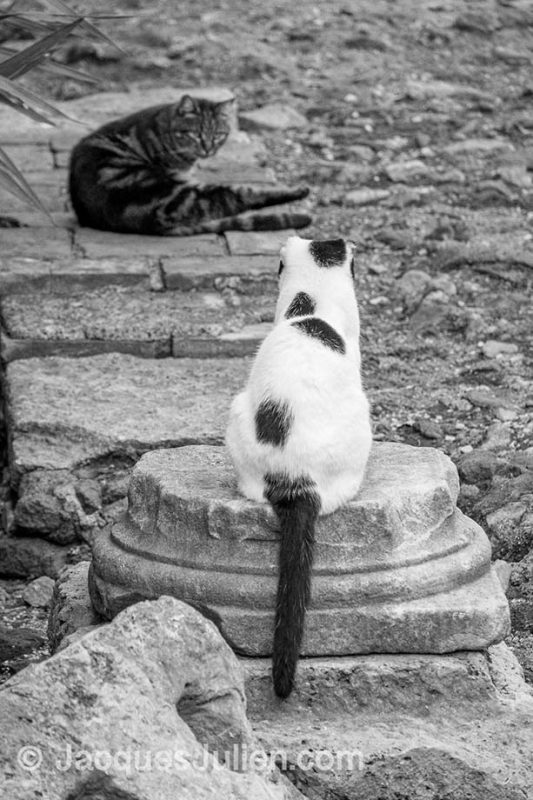
two stray cats in ruins of Rome

Photos : © Jacques Julien

You liked this article? Discover more!

French photographer based in Paris. This site shows my wildlife and architecture photos, creative portraits, black and white street photos through various galleries, a stock photo library and photography services.