


The Silent Reality of an Emptying Spring
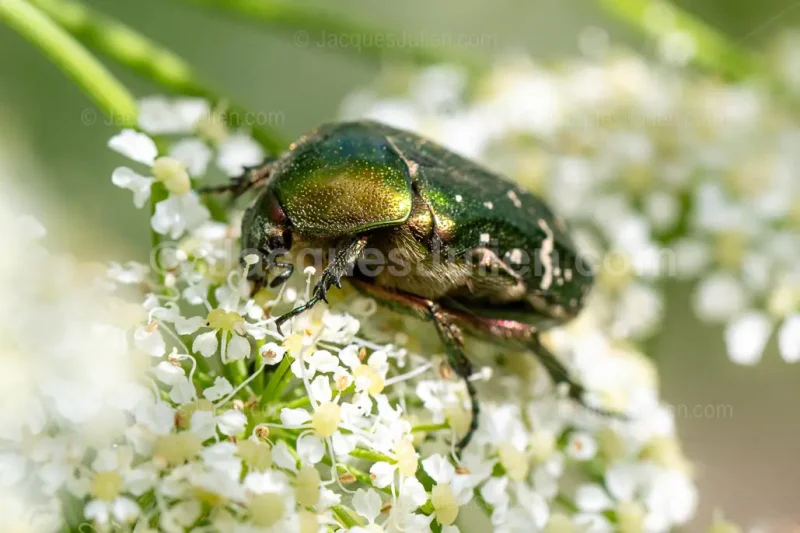
Every spring, I return to the paths with my camera in hand, watching for signs of life stirring. What used to be a season filled with the frenzied ballet of bees, the graceful flight of butterflies, and the aerial dance of dragonflies now feels eerily still. This is not just nostalgic longing : the numbers support what I’ve seen: in Europe, studies have shown staggering declines of up to 80% in insect populations in just two decades.
In the UK, the citizen science project “Bugs Matter” revealed equally alarming findings: between 2021 and 2024, there was a 63% drop in the number of flying insects, measured by an ingenious method — counting insect impacts on car license plates. Over 25,000 trips, covering 761,000 km, contributed to this data, confirming what I witness year after year: the familiar hum of life is fading from the air.
As Philippe Grandcolas, Deputy Scientific Director at CNRS Ecology and Environment, stated in Le Monde : “We are witnessing a silent collapse that is increasingly well documented by scientists. I say silent deliberately, because it is utterly insane that we are not talking about it more.”
A silence all the more deafening because these disappearances are happening before our eyes, without provoking the alarm they warrant. It’s worth remembering: the vast majority of insects are still unknown to science. Between 80% and 90% of insect species have yet to be discovered, especially in underexplored habitats such as tropical forests, soils, and forest canopies. This lack of knowledge has serious consequences — without a clear understanding of insect biodiversity, it is nearly impossible to assess the true impact of environmental threats or design effective conservation strategies.
The Extraordinary Powers of Nature’s Smallest Engineers
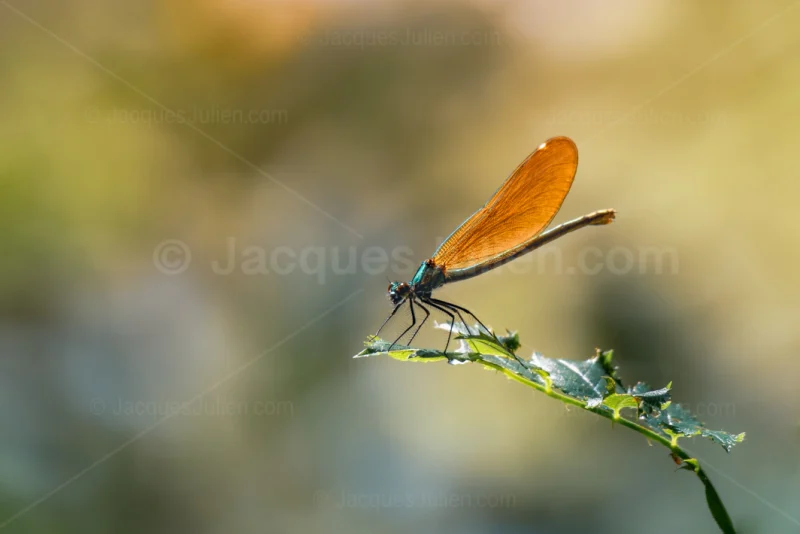
With nearly 40,000 species recorded in mainland France and an impressive biomass of several dozen kilograms per hectare, insects are an invisible yet vital force in our ecosystems. Their importance far exceeds their size:
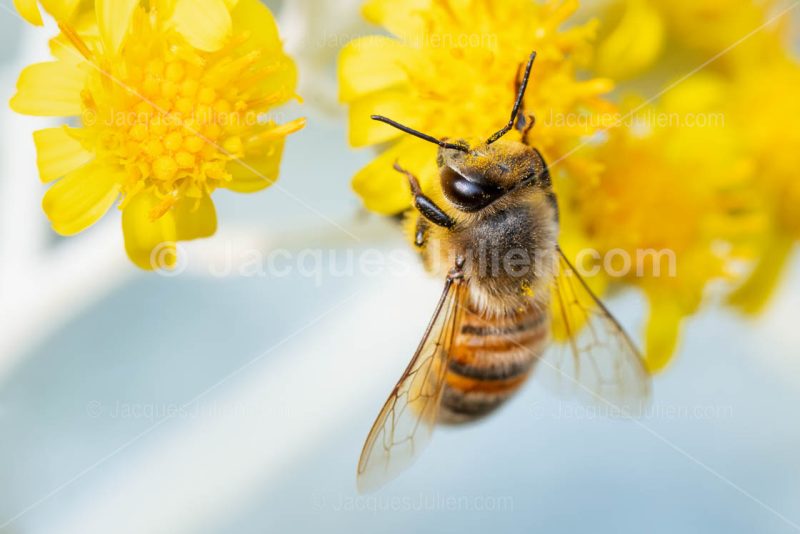
- Exceptional pollinators, they ensure the reproduction of three-quarters of all flowering plants. Without them, our diet would be radically transformed — say goodbye to juicy fruits, colorful vegetables, and even your morning coffee. In France, productivity losses due to pollinator shortages currently range from 5% to 80%, depending on the crop. Even a conventional rapeseed field can lose 30% of its yield without these winged allies.
- Tireless recyclers, they break down organic matter in the soil, turning dead leaves, fallen wood, and animal droppings into essential nutrients for plants. Australia offers a striking example: when European settlers introduced cattle to the continent, the pastures were quickly buried under dung, as local insects couldn’t decompose it. Millions of dollars and several years of effort were needed to introduce dung beetles and restore ecological balance.
- A living pantry, insects form the base of the food chain for countless species: birds, fish, amphibians, reptiles, bats, and even some mammals depend on this protein-rich resource to survive. Without insects, the entire food web begins to collapse.
- Natural regulators, they help maintain ecological balance by controlling populations of other insects, thereby preventing harmful outbreaks.
Recent research also shows how the decline in pollinators can even alter plant behavior. For instance, Viola arvensis, deprived of insect visitors, increases its self-pollination ability and produces less nectar. While this survival strategy may offer short-term benefits, it reduces genetic diversity in the long run — just one of many cascading effects caused by the disappearance of insects.
The Paradox of Modern Agriculture and Insects
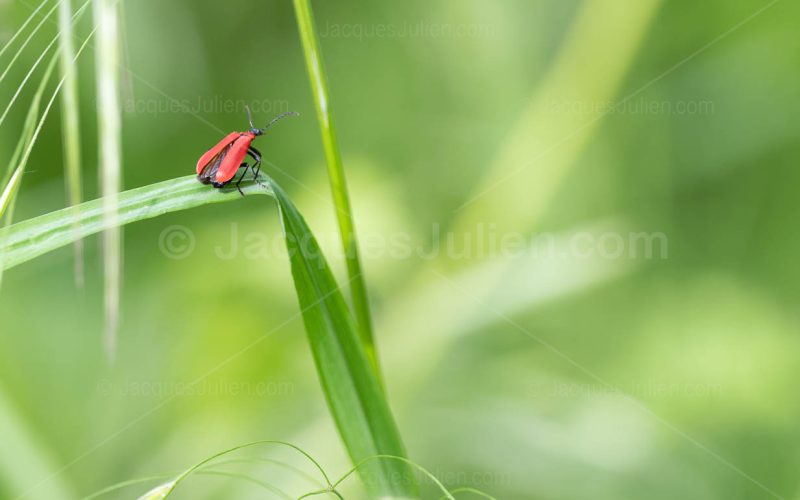
How can we explain this apparent paradox: on one hand, a global collapse of insect populations, and on the other, farmers still struggling with persistent pests? A revealing explanation for this apparent contradiction: we are replacing living ecosystems with intensive crops that are not pollinated by insects and are polluted, often destined for export or biofuels, to the detriment of food crops, nature, and local communities.
The fundamental issue lies in our approach to industrial agriculture. Intensive monocultures, with their vast, uniform fields lacking landscape diversity, act as a perfect breeding ground for certain pest insects. This is a basic ecological rule that industrial agriculture chooses to ignore. This artificial concentration of identical resources inevitably attracts species specialized in consuming them, while eliminating their natural predators.
The result is predictable: a proliferation of pests, an increased reliance on pesticides, and the continuation of the vicious cycle of biodiversity depletion.
Alarming Disconnection from the Living World
Well-intentioned friends sometimes share AI-generated images of birds or chimeric animals with me, thinking they’re real when these creatures don’t actually exist in nature. These ultra-realistic fakes perfectly illustrate a concerning phenomenon: our growing disconnection from the living world and demonstrate a profound loss of our biological reference points.
This break with reality is symptomatic of an increasingly urbanized society connected to screens, where nature becomes abstract, distant, sometimes even entirely virtual. We risk becoming satisfied with synthetic biodiversity (similar to Disney’s photorealistic live-action remakes like The Lion King or The Jungle Book), aesthetically pleasing and flawless, but devoid of the complexity, roughness, and vitality of the wild world.
This disconnection is particularly dangerous because it erodes our ability to perceive the changes occurring in our environment. How can we be alarmed by the disappearance of species we no longer recognize? How can we protect what we no longer know? Familiarity with living things isn’t just a matter of academic knowledge, but a sensitive, embodied relationship that allows us to intuitively detect ecological imbalances.
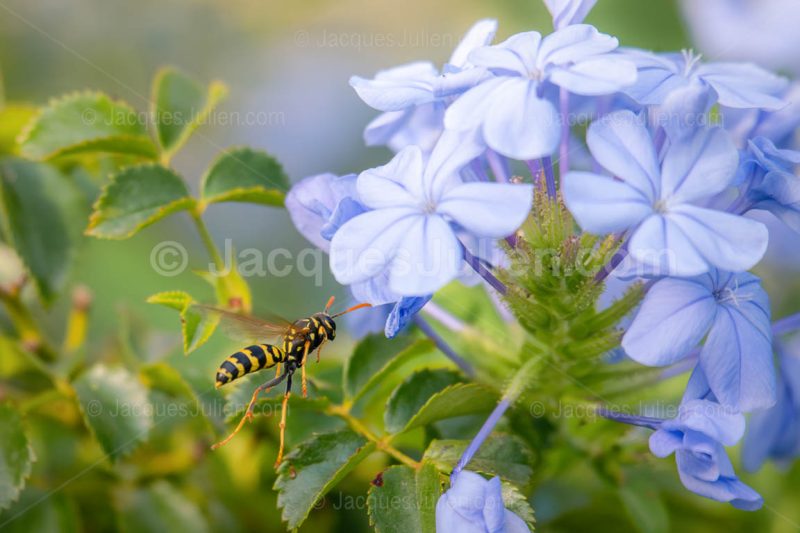
A photographic exploration approach makes perfect sense here: by documenting these tiny but essential creatures, we create a connection, make the invisible visible, and give a face to these often-neglected beings that are fundamental to our survival.
The Multiple Causes of a Complex Decline
The spectacular decline in insect populations cannot be explained by a single factor. It’s the combination of several pressures that creates this perfect storm against entomological biodiversity:
- Destruction of natural habitats: In France, 20,000 linear kilometers of hedgerows disappear each year, depriving countless insects of their shelter, breeding sites, and food resources. Wetlands, crucial for dragonflies and other aquatic species, continue to degrade despite their recognized importance.
- Massive use of pesticides: Beyond their immediate toxicity, these products persist in the environment, sometimes in the form of degraded molecules, and continue to exert harmful effects over the long term. The cocktails of substances, their accumulation, and their transport in ecosystems further amplify their negative impacts.
- Climate change: Weather disruptions profoundly affect the life cycles of insects, which are particularly sensitive to variations in temperature and humidity. As ecologist Vincent Bretagnolle explains, “the years 2022, 2023, and 2024 presented catastrophic spring weather conditions, with drought, excess heat, and rainfall that impacted insects.”
- Intensive agriculture: The simplification of agricultural landscapes, with the elimination of field margins, isolated trees, and permanent meadows, deprives insects of refuges and ecological corridors essential to their survival.
- Light pollution: Often overlooked, it disrupts the biological cycles of many nocturnal insects, affecting their reproduction and feeding.
Faced with this range of causes, solutions will necessarily need to be multiple and complementary.
Reasons for Hope: Resilience in Action
Despite this concerning picture, scientists agree on a crucial point: the situation is partially reversible. If we stop exerting these multiple pressures on ecosystems, nature has a remarkable capacity for resilience. Certainly, recovery will take time (a few decades according to experts) but encouraging signs already exist.
The 2024 data from the Bugs Matter project shows that the rate of decline is significantly slowing, with a decrease of only 8% between 2023 and 2024, compared to 44% the previous year and 28% in 2022. Dr. Lawrence Ball from Kent Wildlife Trust even specifies that “this trend could stabilize, or even reverse next year” if collective efforts continue.
To accelerate this recovery, here are some concrete paths to resilience within our reach:
- Garden differently: Transform your garden, balcony, or windowsill into an oasis of biodiversity. Plant local and nectar-rich species that flower in different seasons. Leave “wild” areas where grass can grow freely. Completely renounce pesticides and accept some aesthetic imperfections in exchange for abundant life.
- Create microhabitats: Install “insect hotels” to offer nesting sites for solitary bees and other beneficial insects. Set up a small pond, even just a few liters, which will quickly attract dragonflies and other aquatic organisms. Keep dead wood and piles of leaves that constitute precious refuges for many species.
- Observe and share: Continue your mission as a documentarian of living things by photographing the insects you encounter. Share these authentic images to raise awareness among those around you about the beauty and importance of these creatures. Your attentive and benevolent gaze helps restore the sensitive connection with the natural world that we so greatly lack.
- Become a citizen-scientist: Participate in community science programs like the Garden Butterfly Observatory, SPIPOLL (Photographic Monitoring of Pollinating Insects), or Operation Turquoise for dragonflies. Your observations will feed scientific databases and contribute to a better understanding of population dynamics.
- Support respectful agriculture: Favor products from organic agriculture or farms engaged in agroecological approaches. Support local producers who maintain diverse landscapes with hedgerows, flowering meadows, and wetlands. Each purchase is a vote for the agricultural model we desire.
- Raise awareness around you: Share your knowledge and passion. Organize nature outings to introduce friends and family to insect observation. Visit schools to awaken curiosity among young people about these essential small beings.
- Act collectively: Join nature conservation associations that work to preserve and restore habitats favorable to insects. Participate in projects planting hedges, creating ponds, or restoring flowery meadows.

While waiting for next spring, a plea for wonder...
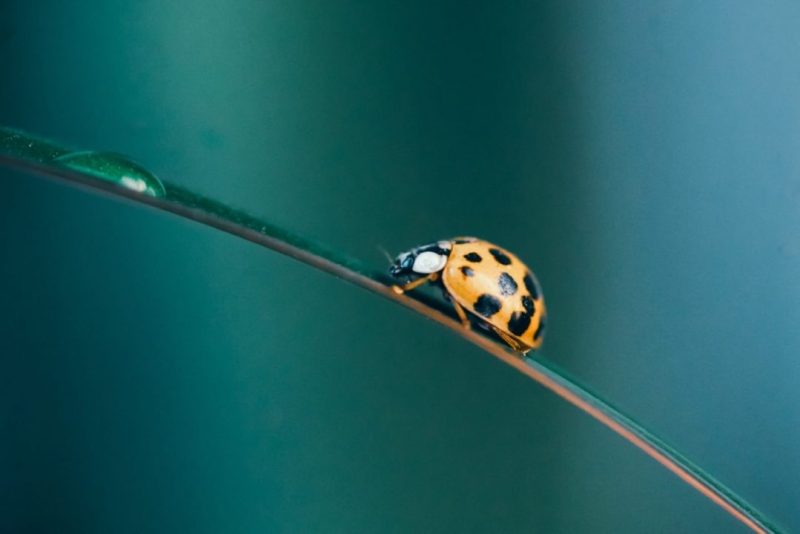
The next time you take out your camera to capture these six-legged wonders, remember that your approach goes well beyond a simple aesthetic quest. Each snapshot testifies to a presence, a resistance, a persistence of life despite upheavals. Each bee foraging, each ladybug climbing along a stem, each butterfly unfurling its colorful wings embodies a story of resilience.
These authentic images that you capture and share are windows opening onto a fragile but tenacious world. They remind us of our belonging to the great community of living things and our responsibility toward it. In a world where virtual nature sometimes threatens to supplant real nature, your attentive and amazed gaze constitutes an act of joyful resistance.
For perhaps therein lies the key: rediscovering our capacity for wonder in the face of these small lives which, although tiny, carry within them the complexity and beauty of the world. Insects are not just cogs in the ecological machinery; they are beings in their own right, with astonishing forms, fascinating behaviors, and ingenious adaptations that inspire us and make us question our own place in the fabric of life. As fascinating as they are unsettling, these beings have never ceased to stimulate the imagination of artists, particularly in science fiction literature (The Metamorphosis, The Naked Lunch, Empire of the Ants…) and cinema (Alien, The Fly, Starship Troopers…). Their strange morphology, rigorous social organization, and sometimes bewildering behaviors have inspired visions of other worlds and extraterrestrial life forms.
To your cameras, then! May the respectful photographic hunt continue, may it reveal and celebrate these discreet but fundamental existences. And who knows? Perhaps your magnificent pictures of very real insects will help others rediscover and appreciate these fascinating beings who, for millions of years, have kept the great wheel of life turning on our planet.
Spring is emptying, certainly, but our vigilance, our action, and our love for these small creatures can still reverse the trend. It is not too late for the hum of life to reclaim its rights in our countryside and our gardens.
Book to read on this subject : Silent Spring by Rachel Carson
You liked this article? Share it or discover more!


French photographer based in Paris. This site shows my wildlife and architecture photos, creative portraits, black and white street photos through various galleries, a stock photo library and photography services.